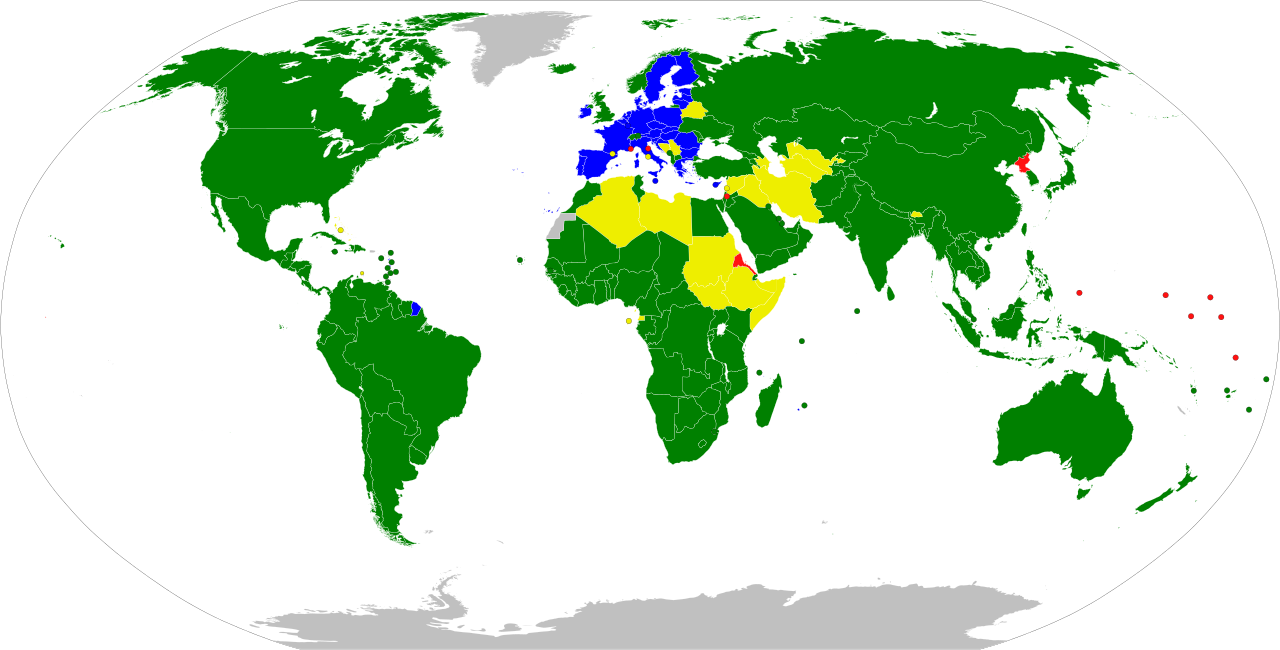
The World Trade Organization (WTO) is the central institution governing global trade. One of its most important functions is resolving trade disputes between countries. The WTO’s Dispute Settlement Mechanism (DSM) has often been described as the “crown jewel” of the multilateral trading system because it provides a structured and rule-based method to settle trade conflicts.
However, in recent years, the system has faced a serious challenge due to the paralysis of its Appellate Body, raising questions about the future of global trade governance.
For UPSC aspirants, understanding the WTO dispute settlement system is important because it connects international relations, global economic governance, trade diplomacy, and India’s trade interests.
Evolution of the WTO Dispute Settlement System
Before the WTO was established in 1995, global trade rules were governed by the General Agreement on Tariffs and Trade (GATT). Under GATT, dispute resolution had several weaknesses:
- Decisions required consensus, meaning the losing country could block rulings.
- Disputes often took many years.
- Enforcement mechanisms were weak.
The WTO introduced a more legalistic and binding dispute settlement system through the Dispute Settlement Understanding (DSU).
This system aimed to ensure that trade conflicts were resolved through rules rather than power politics.
Objectives of the WTO Dispute Settlement System
The dispute settlement mechanism seeks to:
- Ensure predictability and stability in global trade
- Provide a fair and rule-based process for resolving disputes
- Prevent countries from taking unilateral trade retaliation
- Encourage negotiated settlements
In essence, it promotes multilateralism in trade governance.
Stages of the WTO Dispute Settlement Process

1. Consultation Stage
When a country believes another member has violated WTO rules, it first requests consultations.
Key features:
- Informal discussions between the two parties
- Aim to resolve the issue diplomatically
- Usually lasts up to 60 days
Around two-thirds of disputes are resolved at this stage without further litigation.
2. Panel Stage
If consultations fail, the complaining country can request a panel.
- A panel usually consists of three independent trade experts
- It examines evidence, legal arguments, and WTO agreements
- It issues a panel report determining whether rules were violated
The panel stage generally takes 6–9 months.
3. Appellate Body Review
Either party can appeal the panel’s findings to the Appellate Body.
Important features:
- Composed of 7 members
- Reviews legal interpretations, not factual findings
- Issues a final ruling
Once adopted, the ruling becomes binding on the parties involved.
4. Implementation and Compliance
After the ruling:
- The losing country must comply with the decision
- If it fails to do so, the complainant may receive permission to impose trade sanctions
This enforcement capability gives the WTO dispute system significant authority.
The Appellate Body Crisis
Since 2019, the WTO Appellate Body has become non-functional.
The reason: appointments of new judges were blocked, mainly by the United States.
Why the US blocked appointments
The US argued that the Appellate Body:
- Exceeded its mandate by creating new interpretations of trade rules
- Took longer than the mandated 90 days to issue decisions
- Treated past rulings as precedents, which the US claims was not intended
Because Appellate Body members’ terms expired without replacements, the body now lacks the minimum number of judges required to hear appeals.
Consequences of the Crisis
The paralysis of the Appellate Body has major implications for global trade.
1. Weakening of Rule-Based Trade
Countries can now appeal panel decisions “into the void”, effectively blocking final rulings.
2. Rise of Unilateralism
Without an effective dispute system, countries may rely on: Trade retaliation, Bilateral pressure, Trade wars etc.
3. Fragmentation of Trade Governance
Some countries have created interim arbitration arrangements to bypass the crisis, but participation is limited.
Implications for India
For a country like India, the WTO dispute system has been important in defending trade interests.
India has used the mechanism in disputes related to: Solar energy programs, Agricultural subsidies, Steel and aluminum tariffs.
A weakened WTO system could mean:
- Greater pressure from powerful economies
- Less protection for developing countries
- Increased trade uncertainty
At the same time, it also pushes India to strengthen regional and bilateral trade strategies.
Possible Reforms
Several reforms are being discussed globally:
- Reforming the Appellate Body appointment process
- Clarifying the scope of judicial interpretation
- Improving timelines and procedural rules
- Addressing concerns of major economies while preserving multilateralism
The outcome of these reforms will shape the future of global trade governance.
Conclusion
The WTO dispute settlement system has long been a cornerstone of the international trading order. By offering a structured and legal framework to resolve disputes, it ensured that trade conflicts were settled through rules rather than power politics.
However, the current Appellate Body crisis threatens this system. The challenge ahead lies in balancing the concerns of major powers while preserving the credibility and fairness of the multilateral trading system.