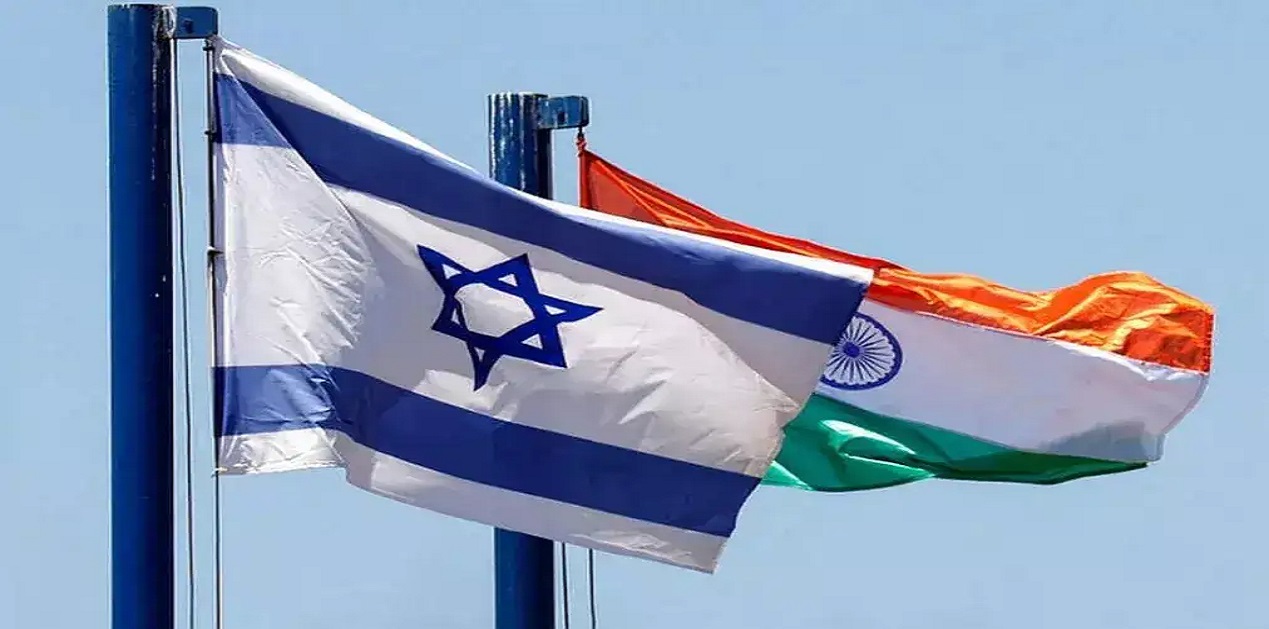
India and Israel have moved from cautious engagement to a full-spectrum strategic partnership. What began with diplomatic recognition in 1950 has evolved into the 2026 “Special Strategic Partnership for Peace, Innovation and Prosperity.” Today, the relationship rests on defence, technology, innovation and geopolitical coordination in a volatile West Asian landscape.
1. From Ideology to Pragmatism: The Evolution
1948–1992: Cautious Distance
- India recognized Israel in 1950 but avoided full diplomatic ties.
- Support for Palestine and Non-Aligned positioning shaped restraint.
- Quiet defence cooperation existed during the 1962, 1965 and 1971 wars.
1992: Diplomatic Breakthrough
- Full diplomatic relations established.
- Open cooperation began in defence, agriculture and science.
1999–2014: Security Consolidation
- Kargil War strengthened trust.
- Israel emerged as a reliable defence supplier.
2017 Onwards: De-hyphenation Era
- Standalone PM visit to Israel (2017).
- Relationship separated functionally from Palestine issue.
- Transition from buyer-seller to co-development model.
2. Defence and Security: The Core Pillar
Defence remains the backbone of bilateral ties.
Major Systems
- Barak-8 missile system (jointly developed)
- Phalcon AWACS
Heron UAVs - Heron UAVs
Operational Cooperation
- Intelligence sharing institutionalised
- Counter-terror coordination deepened after major terror incidents (2025)
- Joint work on air defence integration
Strategic Shift
- Move towards joint R&D under Make in India
- Focus on drones, AI-enabled systems and robotics
This is no longer pure procurement — it is structured military-technical integration.
3. Technology and Innovation: The Expanding Frontier
Technology now defines the partnership.
Digital & Fintech
- Linkage of UPI with Israeli payment systems
- Backed by the 2025 Bilateral Investment Treaty
AI & Cyber
- MoU on AI in education
- Indo-Israel Cyber Centre of Excellence
- Focus on secure digital ecosystems
Space Cooperation
- From ISRO satellite launches to private-sector joint ventures
Labour Mobility
- 2023 G2G Mobility Agreement
- Deployment of 50,000 Indian workers over five years
The partnership increasingly blends innovation with economic depth.
4. Agriculture and Water: Human Security Dimension
Israeli expertise supports India’s rural transformation.
Indo-Israel Agricultural Project
- Over 1 million farmers trained
- Centres of Excellence across states
- Expansion to “100 Villages of Excellence” announced in 2026
Key Areas
- Drip irrigation
- Protected cultivation
- Wastewater recycling
- Urban desalination
Water and food security now form a stable second pillar of the relationship.
5. Geopolitics: Balancing in West Asia
India engages Israel while maintaining ties with Gulf states and Iran.
I2U2 Framework
- India, Israel, UAE, USA
- Focus on food corridors, technology, infrastructure
IMEEC Corridor
- Israel as Mediterranean gateway
- Integrates Haifa port into trade strategy
Strategic Caution
India balances Israel ties with:
- Chabahar Port in Iran
- GCC energy interests
- Two-State Solution position
The approach reflects calibrated strategic autonomy.
6. Key Data Snapshot
- Bilateral Trade Peak: USD 10.77 billion (FY 2022-23)
- Current Trade (FY 2024-25): USD 3.75 billion
- I4F Innovation Fund: USD 40 million (jointly funded)
- Indian-origin Jews in Israel: ~85,000
Farmers trained under IIAP: 1 million+
7. Challenges
- Palestine issue sensitivities
- US-linked technology transfer restrictions
- IPR differences in FTA negotiations
- Regional instability in West Asia
8. Way Forward
- Accelerate Free Trade Agreement
- Expand semiconductor collaboration (Dholera node)
- Deepen AI and cyber security frameworks
- Strengthen academic-industrial research linkages
Conclusion
India–Israel ties have evolved from diplomatic hesitation to a structured, multi-dimensional partnership. Defence remains the anchor, but innovation, agriculture, fintech and geopolitics now shape the future.
In a multipolar world marked by regional volatility, this Special Strategic Partnership is no longer peripheral — it is strategic infrastructure for both nations.